Oncology
Oncology and oncological surgery
Oncology consultation, tumour assessment, oncological surgery planning, postoperative follow-up and palliative care.
From early assessment to an individual treatment plan
Oncology assesses suspicious changes, diagnoses cancer, determines its stage and plans treatment. A single symptom or test result does not by itself mean that a person has cancer.
At a consultation, the clinician reviews personal and family history and performs an examination. Laboratory tests, imaging, a biopsy or histology may be recommended when indicated; treatment is then tailored to the tumour type and stage and the person’s overall health.
When should you see an oncologist?
- A new or growing lump or swelling
- Unexplained bleeding or bruising
- A persistent change in bowel or bladder habits
- A cough or hoarseness that does not go away
- Unexplained weight loss or persistent severe fatigue
- A breast, skin or mole change, or a sore that does not heal
How is an oncology assessment organised?
01 • Initial assessment
Symptoms and personal and family history are reviewed, followed by a physical examination.
02 • Clarifying the diagnosis
Indicated laboratory tests, imaging, biopsy or histology findings are interpreted together.
03 • Individual plan
Treatment and follow-up are planned around the confirmed diagnosis, tumour type and stage, and overall health.
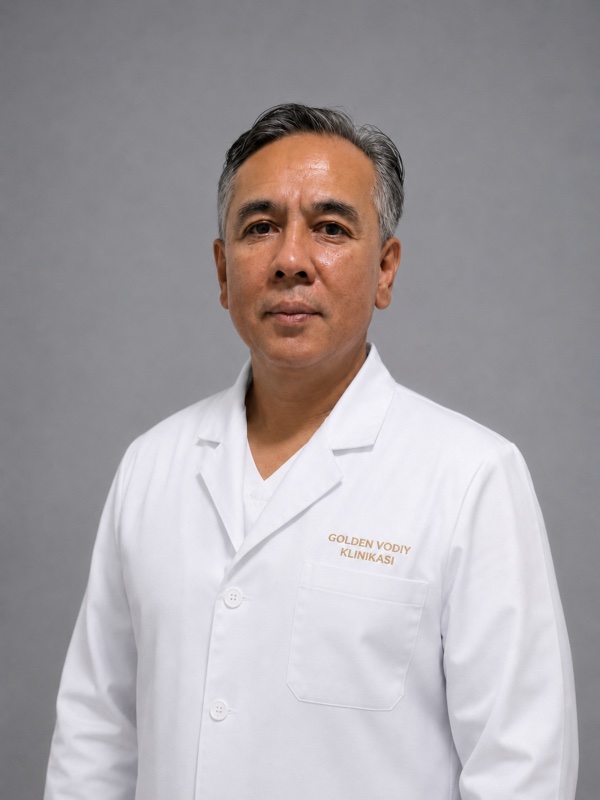
Odilxon Mamatkulov’s clinical areas of practice
- 01Oncology consultation — review of symptoms and available medical records, with planning for further assessment or follow-up.
- 02Oncologic surgical assessment and planning — discussion of surgical suitability and a potential operative plan based on the confirmed diagnosis, investigation results and overall health.
- 03Operative diagnostic endosurgery — assessment of need and planning of an endosurgical procedure only when clinically indicated.
- 04Postoperative follow-up — assessment of the current condition and recovery, with planning of subsequent review.
- 05Palliative care and symptom control — individual planning of measures intended to ease symptoms and support quality of life.
Urgent attention
During cancer treatment, contact the care team urgently for a temperature of 38°C or higher or signs of infection. Call emergency services for bleeding that will not stop, altered consciousness or rapid deterioration.
This information is for general guidance. Many of these signs can have causes other than cancer; a diagnosis requires medical assessment and any necessary tests.
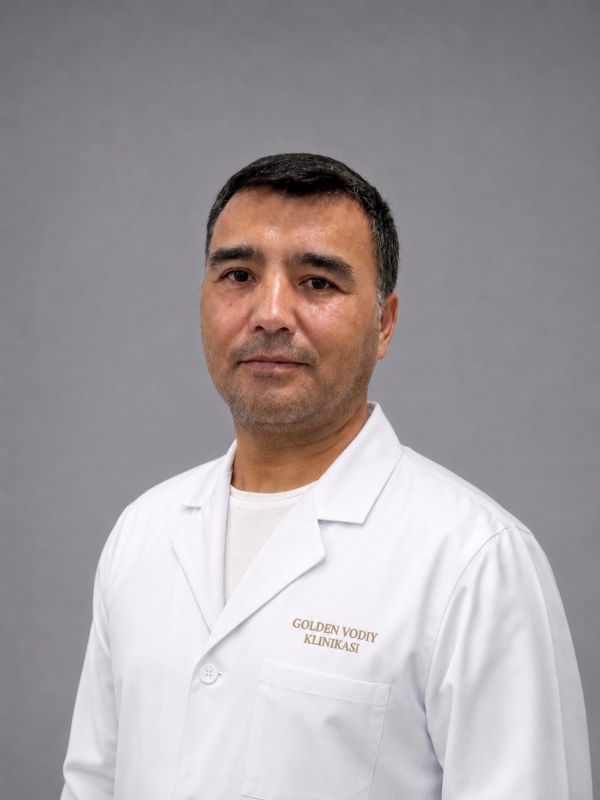
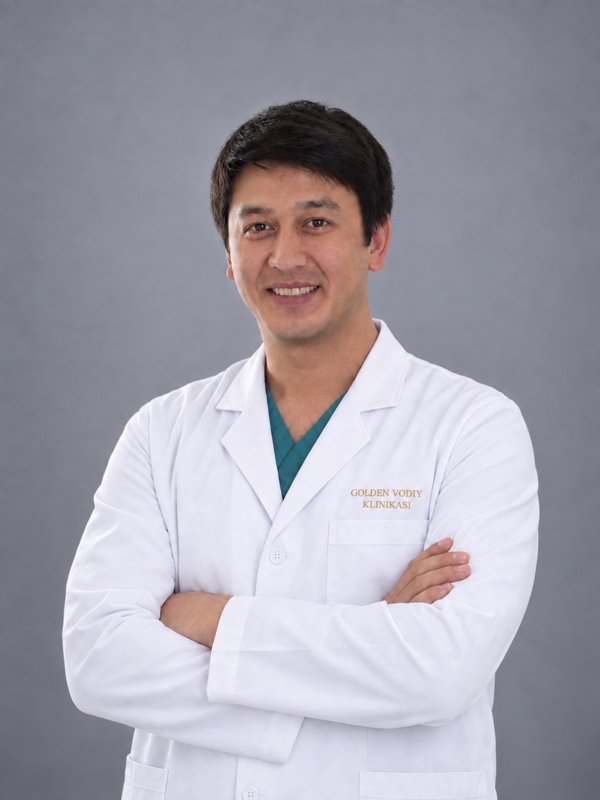
Doctors in This Field
Our experienced specialists in this area